Trezor.io/Start® — Starting Up Your Device | trezor
Welcome to Trezor.io/Start, your gateway to secure cryptocurrency management with Trezor hardware wallets. As a leading provider of open-source hardware wallets trusted by over 2 million users worldwide, Trezor ensures your digital assets remain protected from online threats. This guide, based on official Trezor documentation, walks you through the initial setup process with step-by-step instructions. Our content draws from extensive experience in crypto security, emphasizing best practices for beginners and experts alike. Whether you're new to hardware wallets or upgrading, starting your Trezor device is straightforward, secure, and empowering.
Why Choose Trezor for Your Crypto Journey?
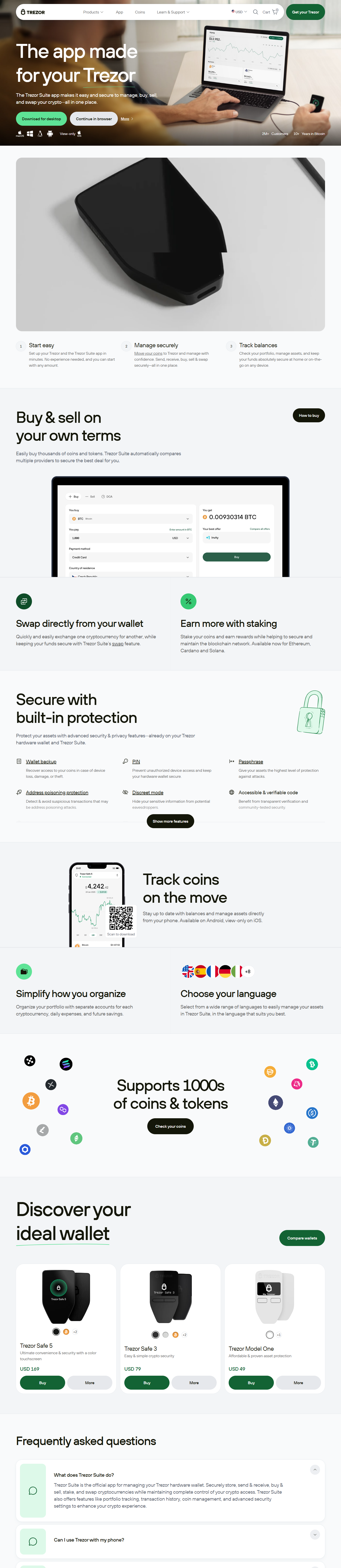
Trezor devices, like the Model One, Safe 3, Safe 5, and Safe 7, offer advanced open-source security, offline key storage, and seamless integration with Trezor Suite—the official app for managing your wallet. With features like Secure Element chips (in select models) and Shamir Backup, Trezor prioritizes your privacy and control. Setup is quick, typically taking 15-20 minutes, and requires no prior technical expertise. By following these steps, you'll safeguard your Bitcoin, Ethereum, and other assets against hacks and phishing.
Step-by-Step Setup Guide
To get started at Trezor.io/Start, ensure you have your Trezor device, a USB cable, and a computer or mobile device. Here's how:
- Download and Install Trezor Suite Visit the official download page at trezor.io/download to get the desktop app (recommended for optimal performance) or use the web version. Trezor Suite is available for Windows, macOS, Linux, iOS, and Android. Install it securely—always verify the checksum to avoid fakes.
- Connect Your Device Plug in your Trezor via USB. Launch Trezor Suite, and it will detect your device. Verify authenticity by checking the hologram seal and using the app's built-in checker.
- Install Firmware If your device is new, Trezor Suite will prompt firmware installation. This enables core functionalities. Confirm the process on your device to prevent man-in-the-middle attacks.
- Create Wallet and Backup Generate a new wallet. Your device will display a 12-24 word recovery seed—write it down offline on the provided recovery sheet. Never store it digitally! This seed is crucial for recovery if your device is lost.
- Set a PIN Choose a strong PIN (up to 9 digits) directly on the device. This adds an extra layer of protection for transactions.
- Add Coins and Secure Assets Receive addresses in Trezor Suite to transfer crypto from exchanges. Follow the official guide at trezor.io/learn/a/move-crypto-to-trezor for safe transfers.
For enhanced security, enable passphrase protection or multi-signature setups post-installation.
Login and Sign Up Options
Trezor prioritizes anonymity, so basic use doesn't require an account. However, for advanced features like transaction labeling or firmware updates notifications:
- Login to Trezor Suite: If you've created a profile, enter your credentials in the app for personalized settings.
- Sign Up for Trezor Account: Visit trezor.io/account to register for free. This unlocks expert sessions, newsletters, and community support. It's optional but recommended for staying updated on security tips.
Frequently Asked Questions (FAQs)
Here are common queries based on user experiences with Trezor setup:
- How do I start setting up my Trezor device? Begin at Trezor.io/Start, download Trezor Suite, connect your device, and follow the on-screen prompts.
- What is the recovery seed, and why is it important? It's a unique phrase generated during setup for wallet recovery. Store it securely offline—losing it means losing access to your funds.
- Do I need to install firmware every time? Only on new or reset devices. Updates are prompted via Trezor Suite for improved security.
- Can I set up Trezor on mobile? Yes, use the Trezor Suite app on iOS/Android, but desktop is preferred for initial setup.
- What if my device isn't recognized? Check USB connections, try different ports/cables, or reinstall drivers from trezor.io/support.
- Is Trezor compatible with all cryptocurrencies? It supports over 1,000 coins, including BTC, ETH, and altcoins. Check compatibility at trezor.io/coins.